Tanya's Pindang Curry
/ April 18, 2022
/ April 18, 2022
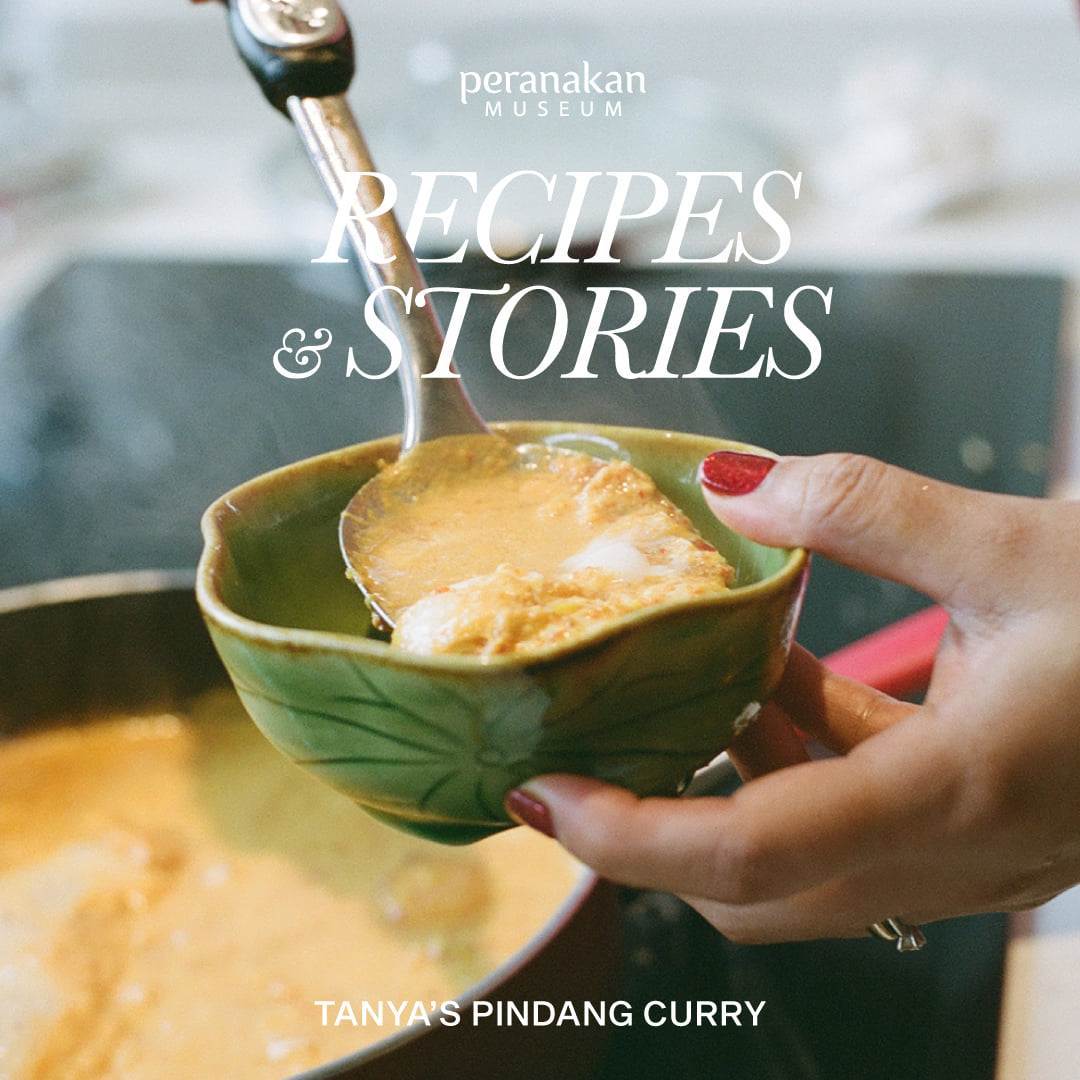
Pindang is a dish found in island Southeast Asia that features a broth flavoured with a souring agent such as tamarind. This Chitty Melakan version is made with ikan tenggiri (spanish mackerel), or other seafood, and is an anchor to Tanya and her cousin Krishnan’s childhood.
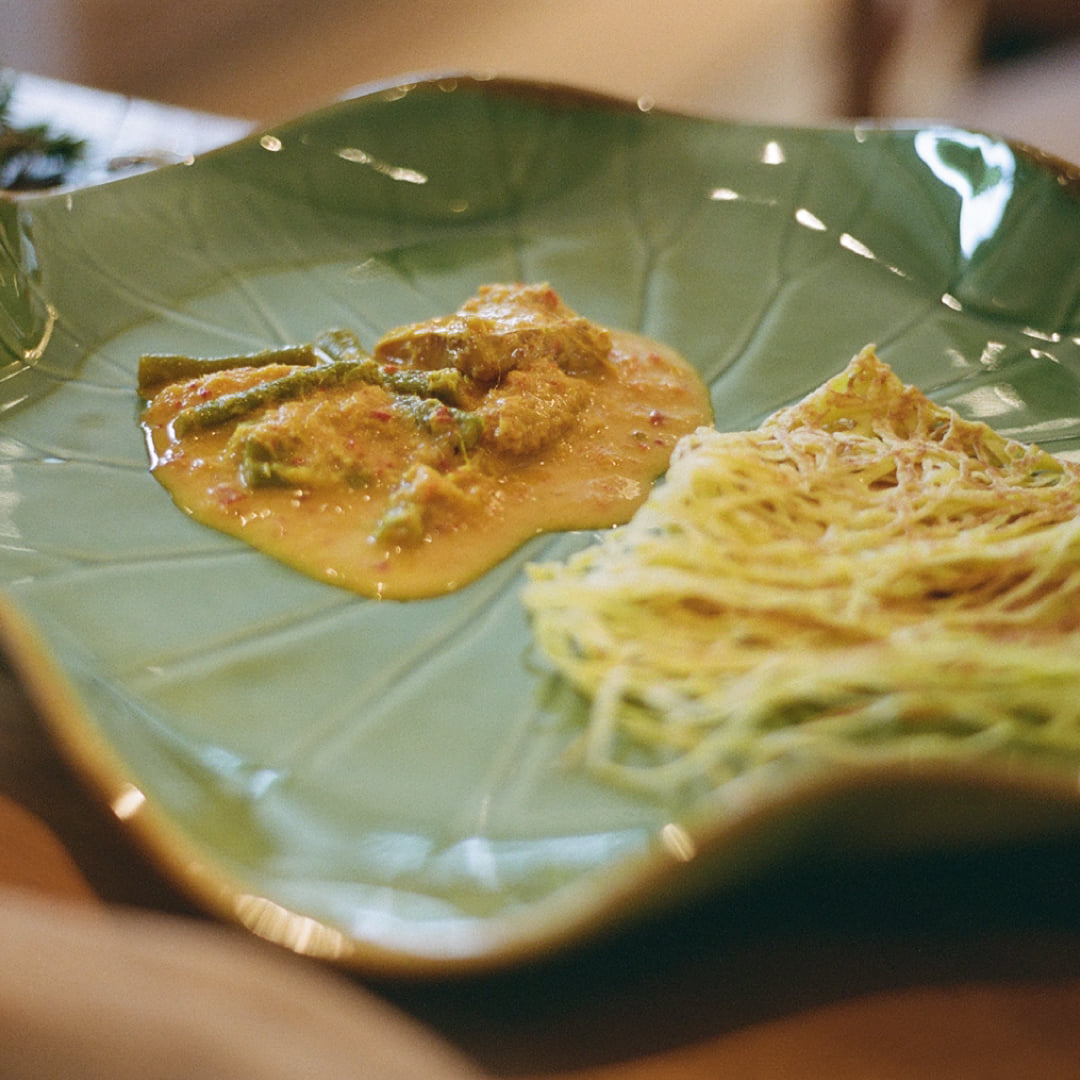
According to Tanya, pindang is a dish that is relatively easy to prepare and it makes an appearance at all their family celebrations. It's made with a rempah, a spice paste comprising lemongrass, shallots, garlic, fresh chillies, turmeric, and chilli paste.
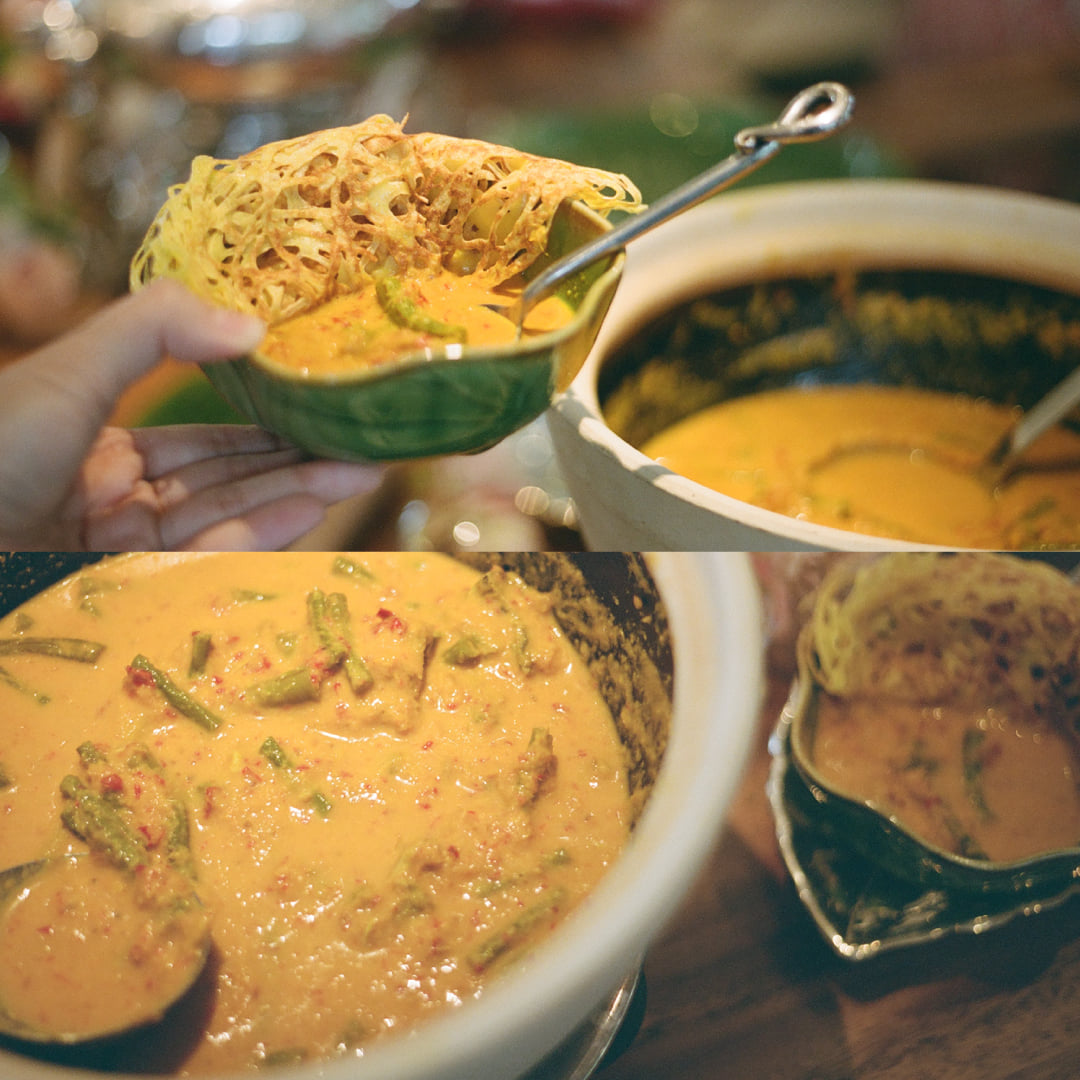
Different households have their own rendition of pindang, using similar ingredients in different ratios. Most rempah is fried, but Tanya stresses that the rempah in her recipe is boiled, added straight into coconut milk.
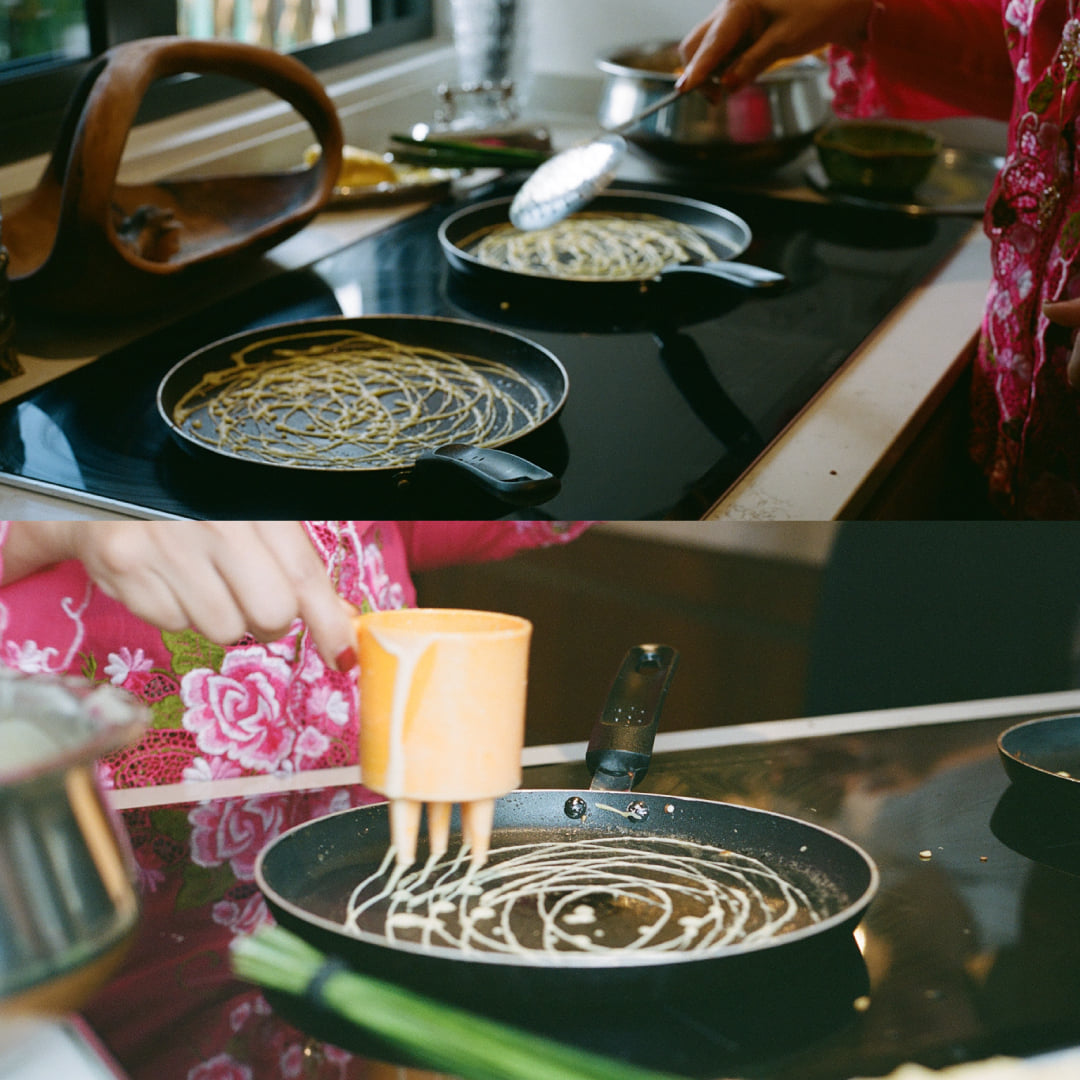
Tanya shares that whenever they have parties or gatherings, roti jala is always served with the lauk pindang . Roti jala is a thin, savoury crepe resembling a lace doily. The word “jala” means "net" in Malay.
Her father is very particular about this dish and insists the roti jala must be made à la minute. He always wants it done there and then – served crispy and hot, alongside the pindang. There's a technique to doing it right that takes practice to perfect. When Tanya was younger, she recalls having to eat all the ugly ones that she made, because they could not be served to guests.
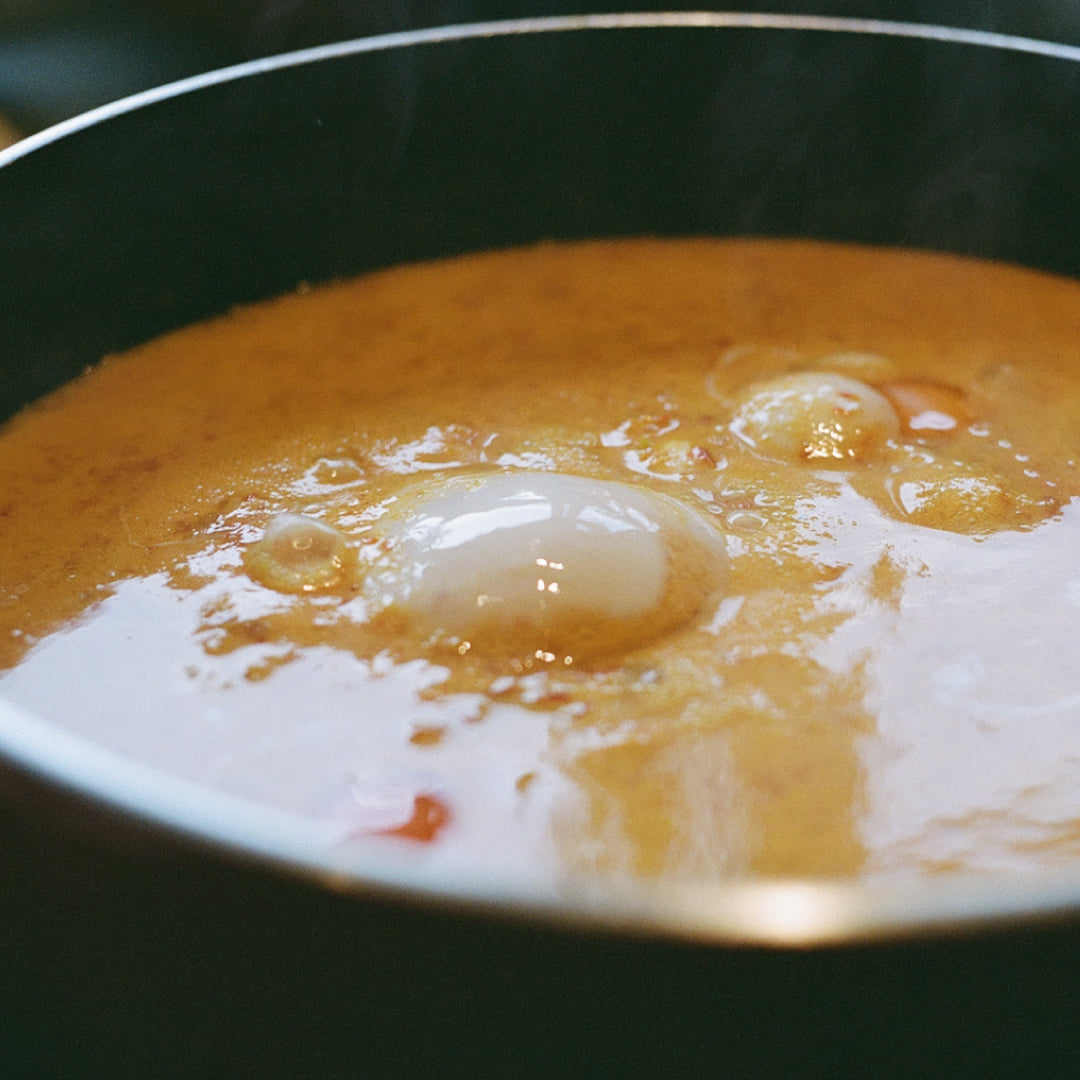
Here’s a special tip from Tanya: if there is any lauk pindang left over, it can be kept in the fridge for up to a week, and will taste even better after reheating. Tanya shares that in the process of reheating the curry, she cracks an egg or two into the gravy, which makes it a quick and comforting meal for breakfast.
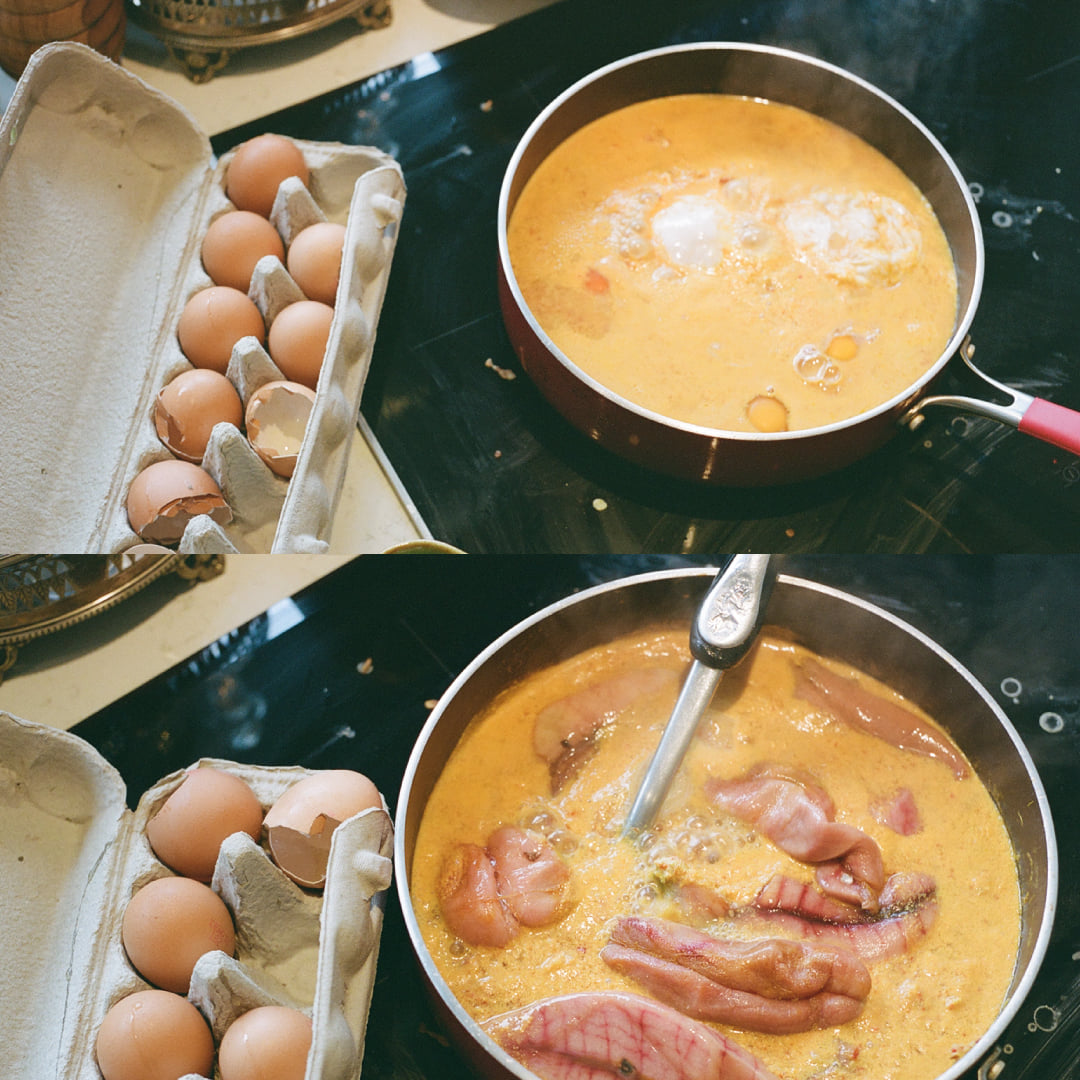
Here, she adds fish roe with the eggs, for added umami and taste.
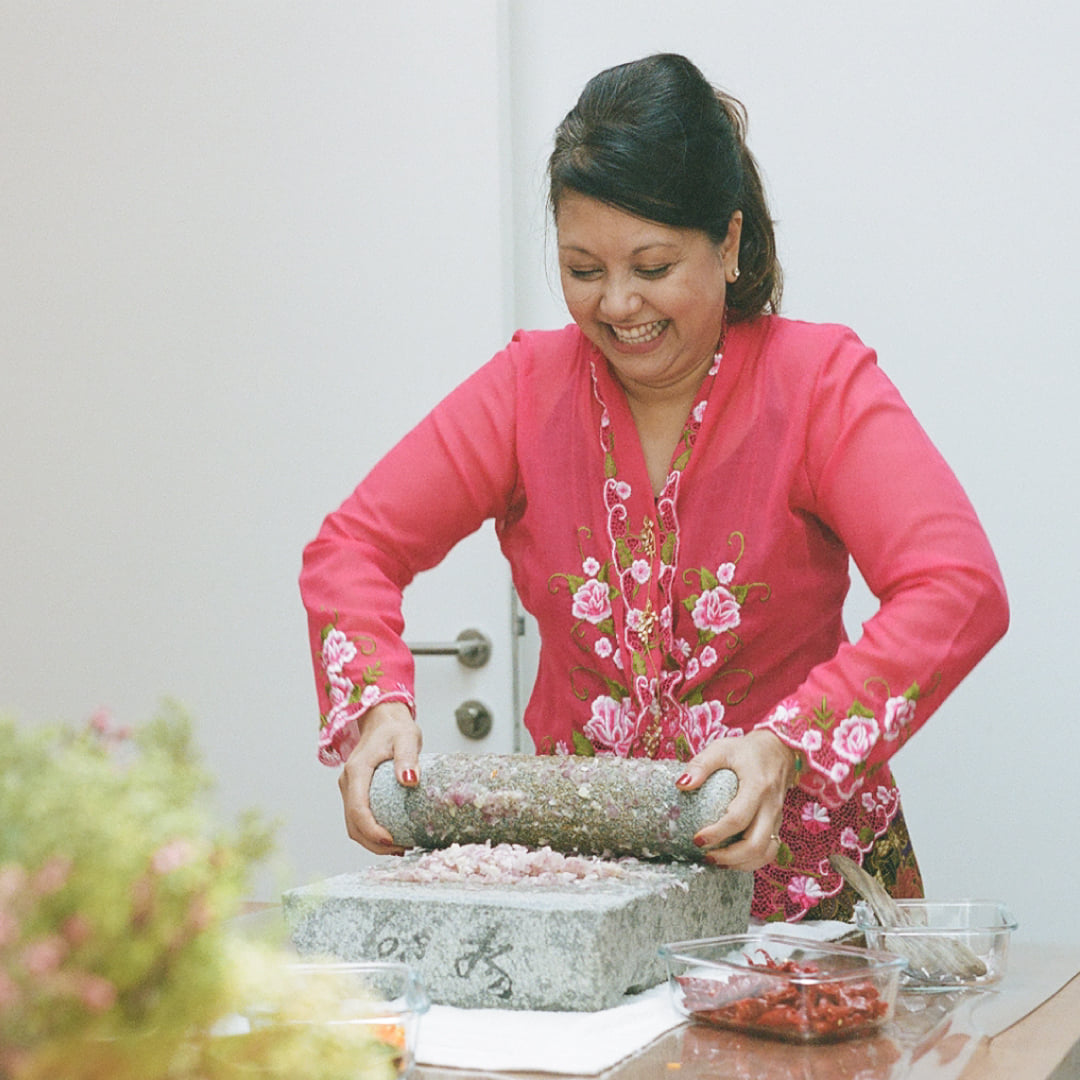
Tanya uses a rectangular granite slab and cylindrical grinder called a "batu giling" to grind ingredients for the rempah. "Giling" means "grind" in Malay.
Most people are more familiar with the stone mortar and pestle called "batu lesong”, which was commonly found in households in the past. Tanya admits that she is a klutz with the batu giling, and her technique is nothing like her Aunty Berat’s, who was extremely skilled with it.
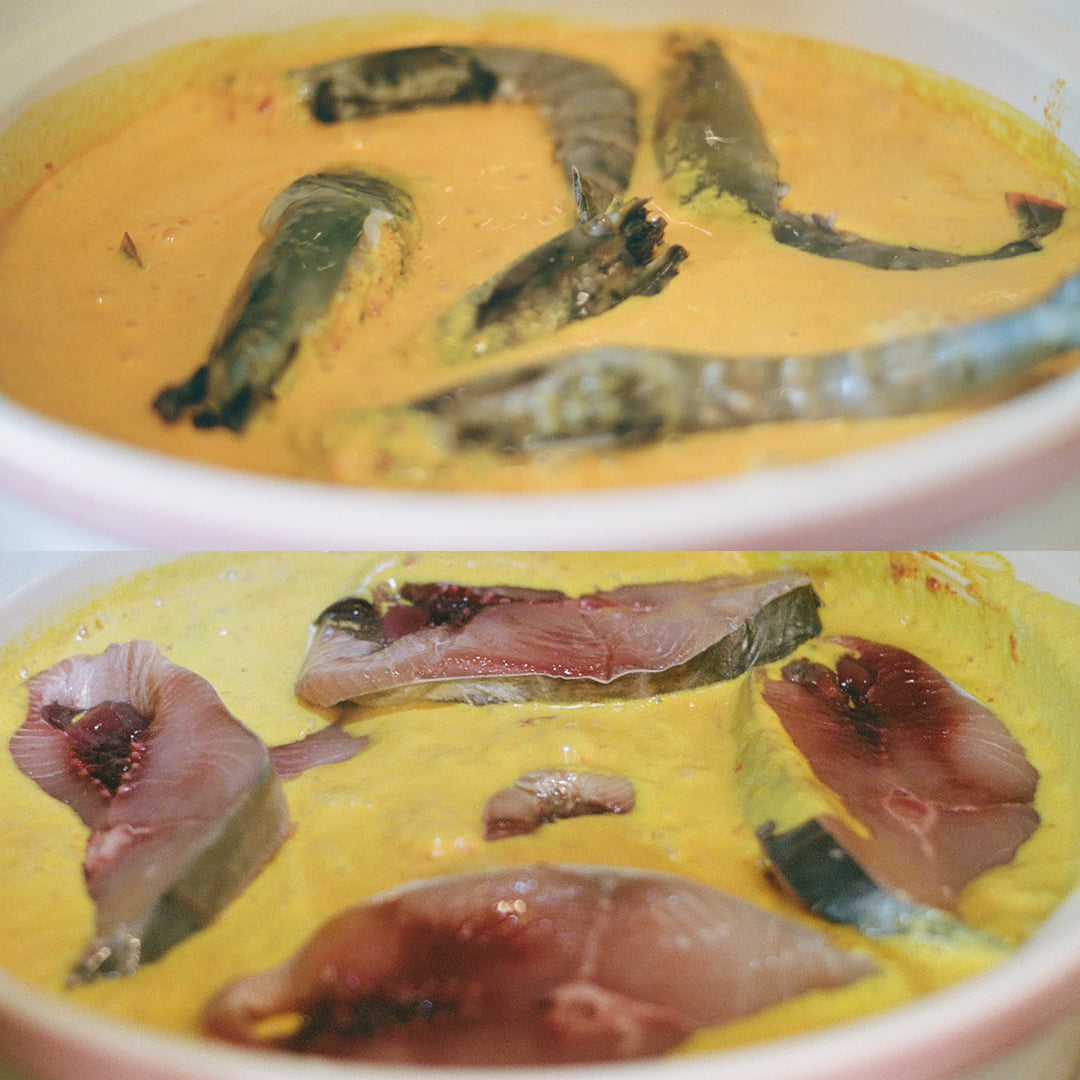
Tanya shares 4 different renditions of lauk pindang. All use the same rempah base, but are cooked with different ingredients – ikan tenggiri (Spanish mackerel), geragau (krill), prawns, or salted fish. The dish is customised for different guests and occasions. If the dish is served to children, she doesn't add fish with tiny bones, like ikan batang.
Tanya’s cousin Krishnan shares that when his mother cooks the dish for Deepavali, the pindang is usually made with prawns. It's constantly re-heated for the 30–40 guests that visit throughout the day. The prawns work better than fish, which tend to disintegrate.
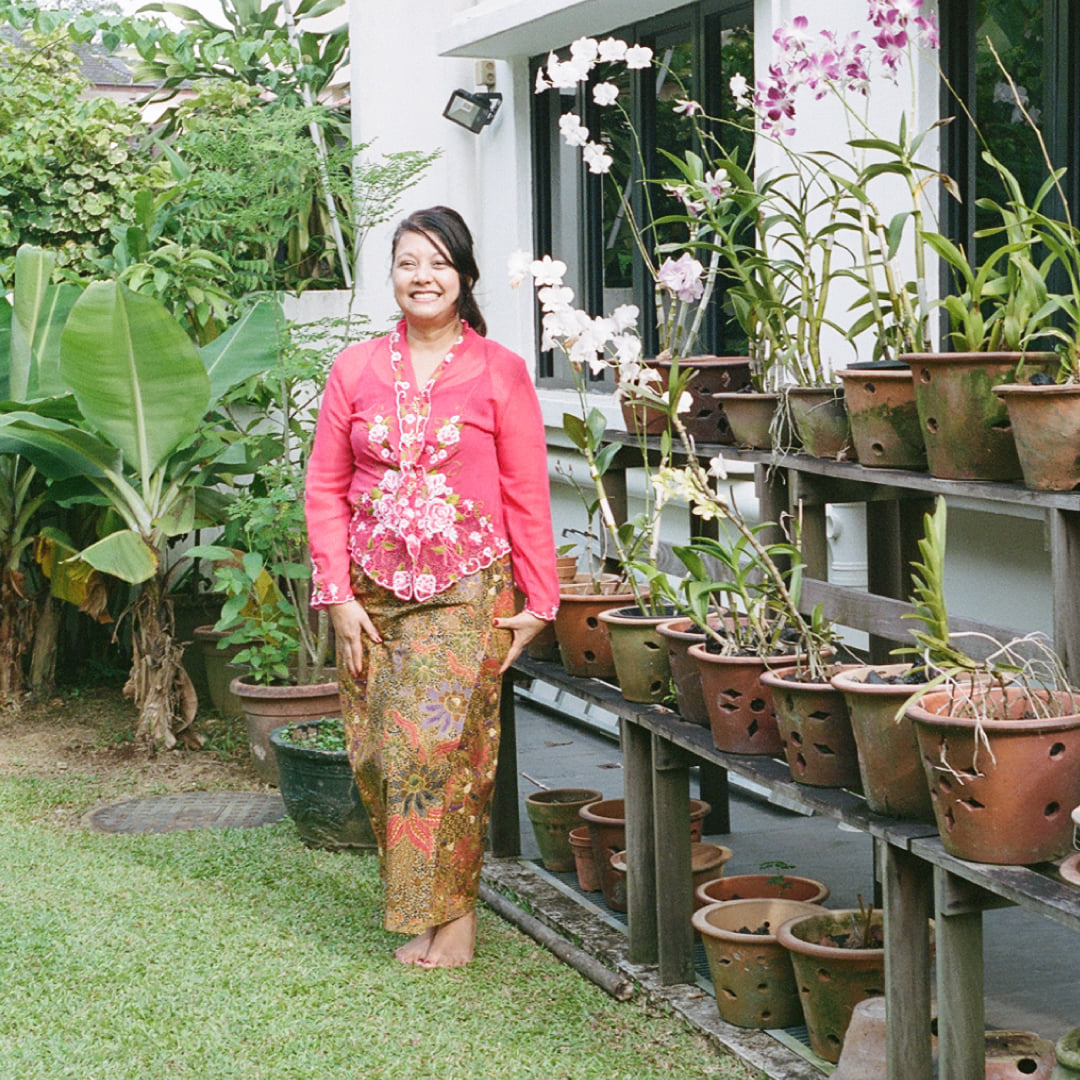
Tanya shares that her Aunty Berat was the one that took care of her after school and taught her to cook. She remembers coming home from school and watching Aunty Berat cook the pindang – everything always tasted so delicious, and she made it look effortless. Aunty Berat made her rempah using a batu giling. Till today, the rhythmic pounding and grinding of spices never fails to remind Tanya of her Aunty.
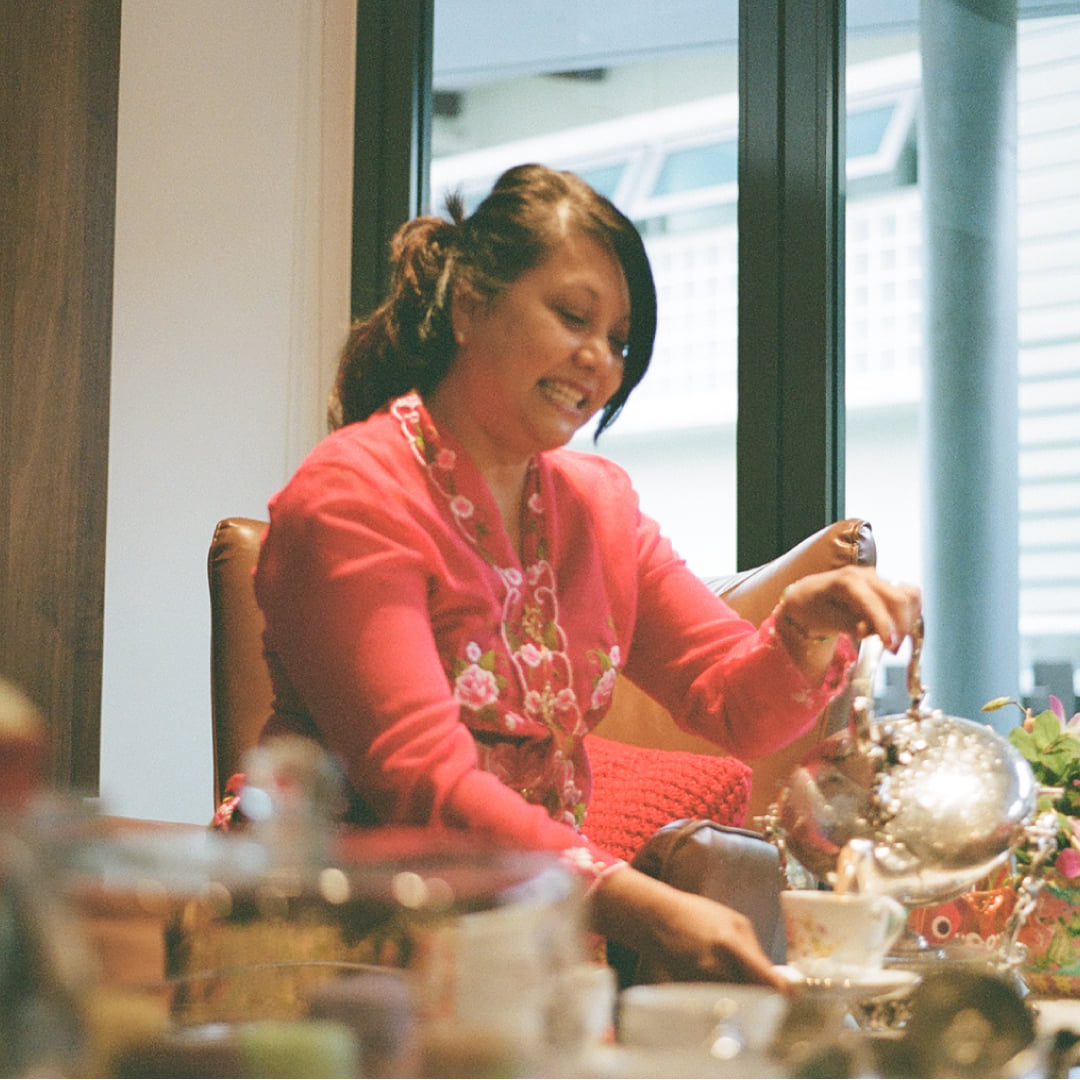
When Tanya learned how to cook the pindang, her Aunty Berat would share the measurements of her recipes by “agak agak” ("estimation" in Malay). Tanya came up with a system of using balls as an indicator. So she would say “a golf ball size of”, or “a tennis ball of” whatever ingredient was required.
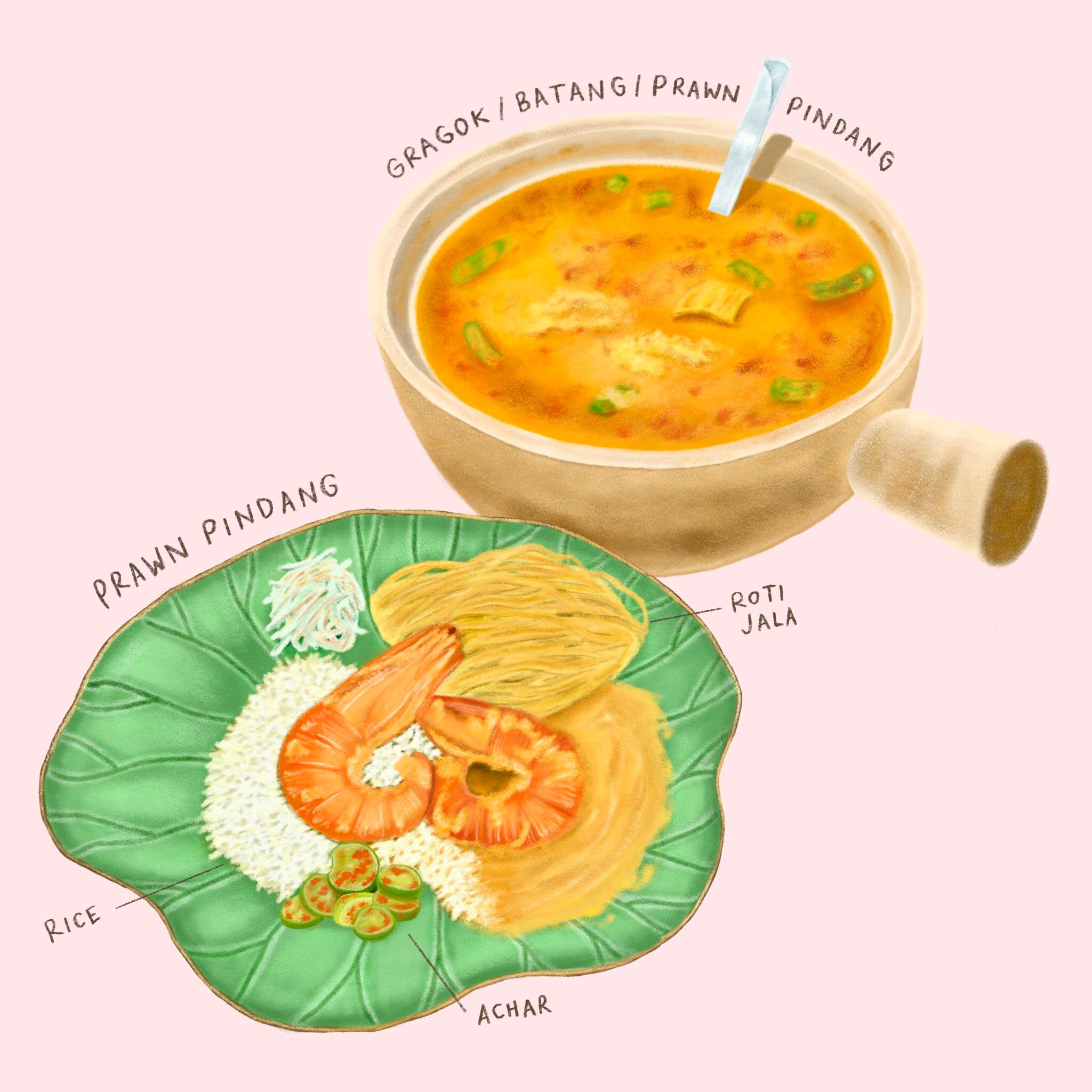
Here is Tanya's pindang recipe! Don't forget to tag us @peranakanmuseum if you decide to try your hand at making them!
Rempah Ingredients and Steps
Other Ingredients
Instructions:
Variations
Geragau pindang:
Prawn pindang:
Salted fish pindang:
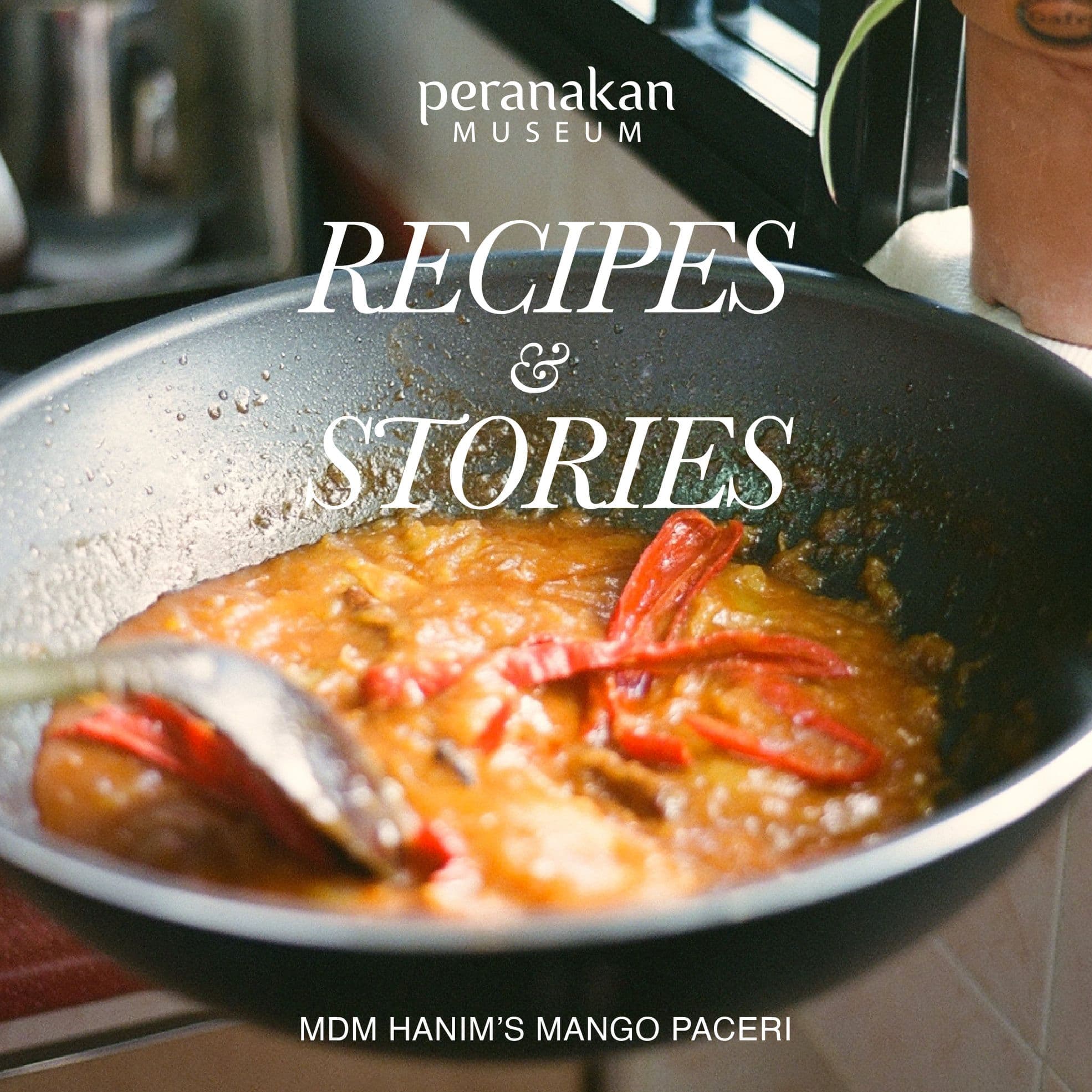
This week on “Recipes and Stories”, we are featuring a recipe for mango paceri from Mdm Hanim. It's a kind of relish, a tangy pickle eaten with dishes like rice, briyani, or even nasi goreng.
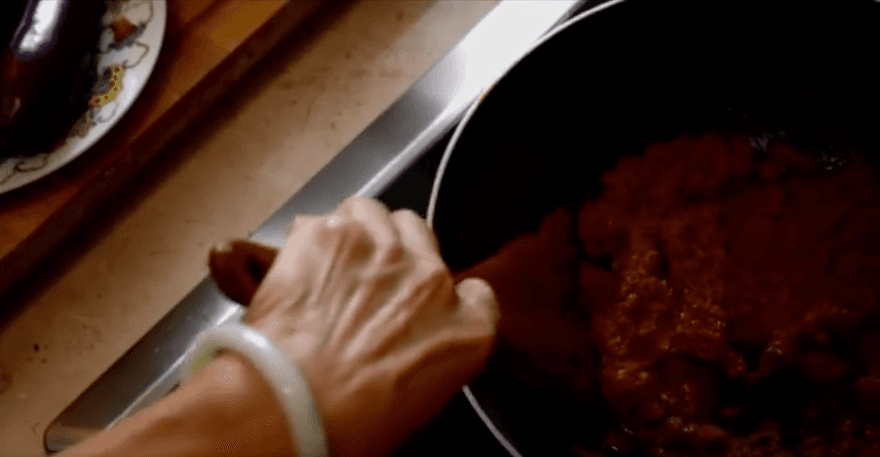
Rempah Sayang is a Singapore-Peranakan story about food, family and love. An ancient recipe is passed down from one generation to the next, reinforcing the importance of family traditions and heritage.